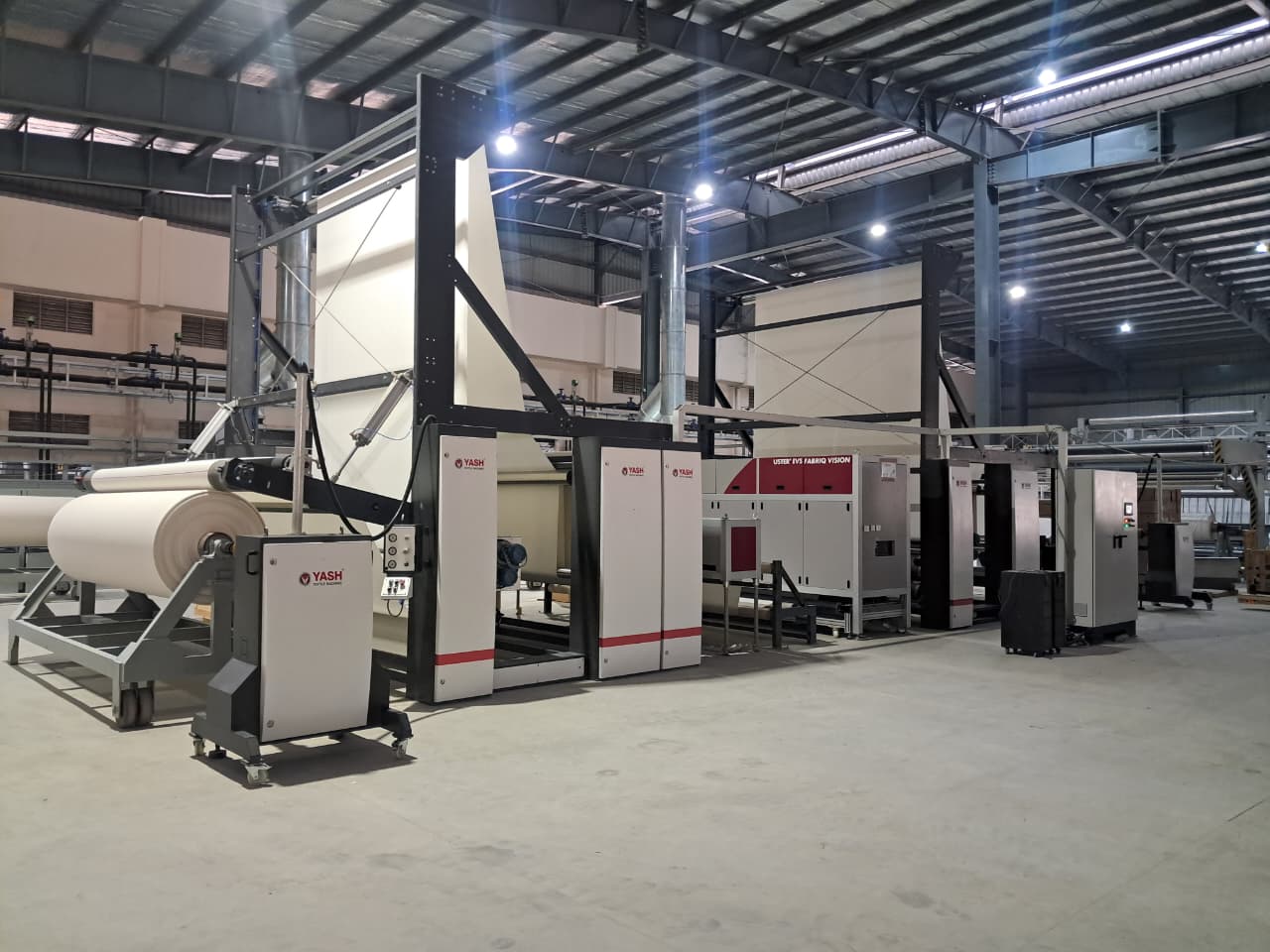
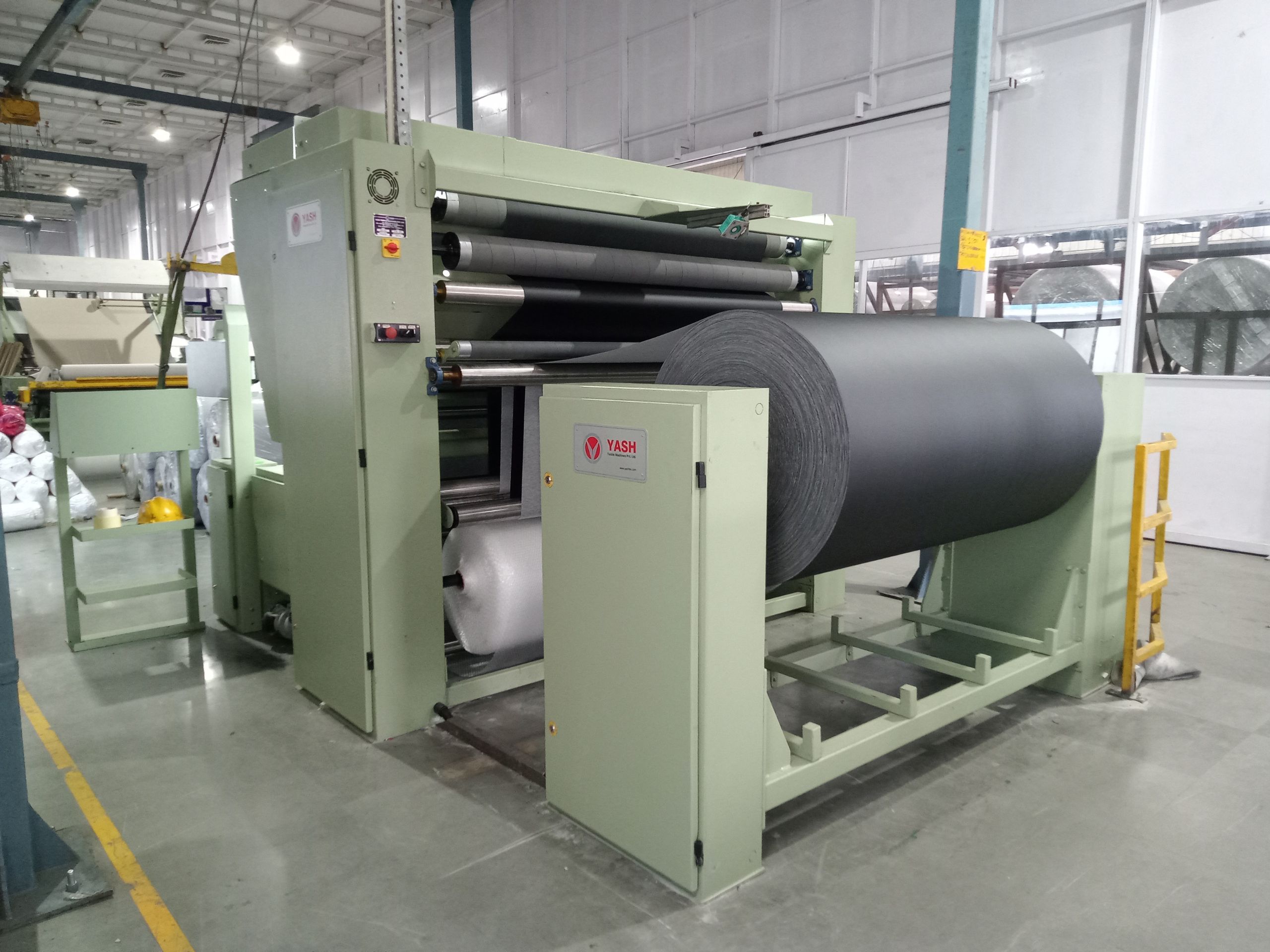
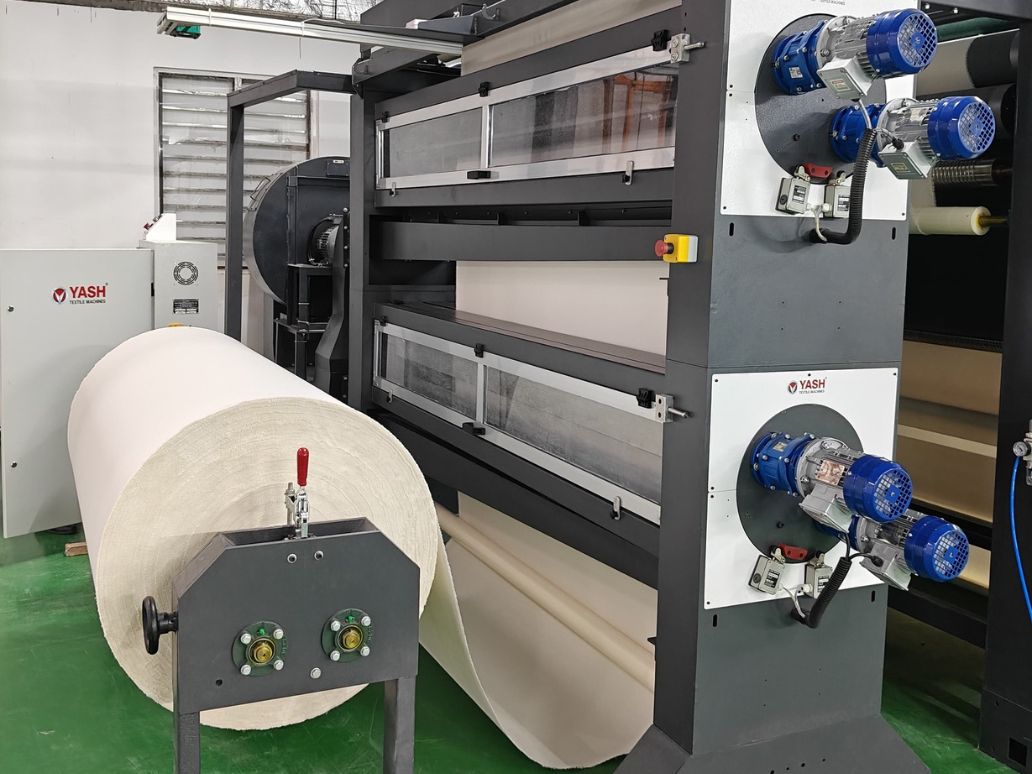
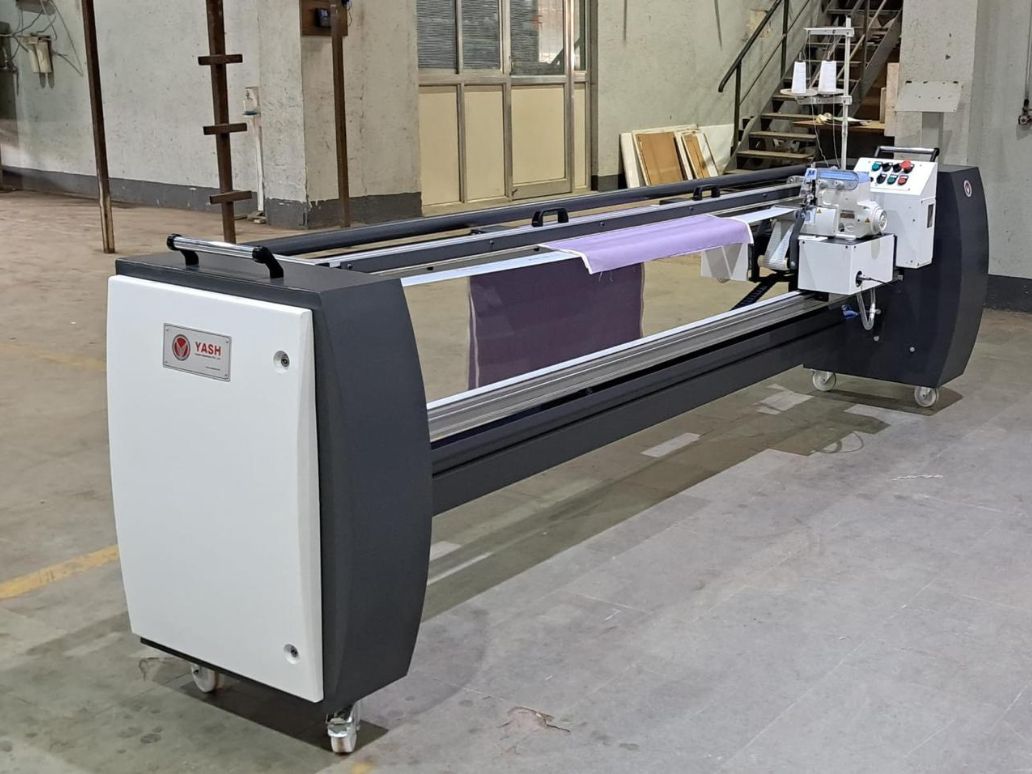
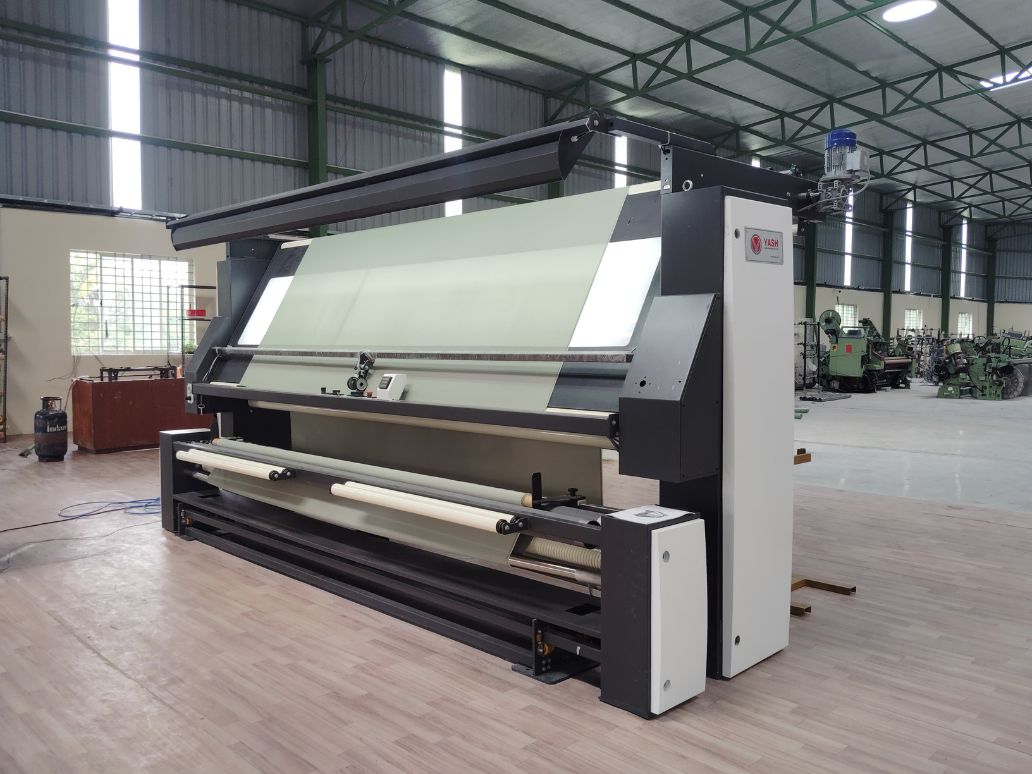
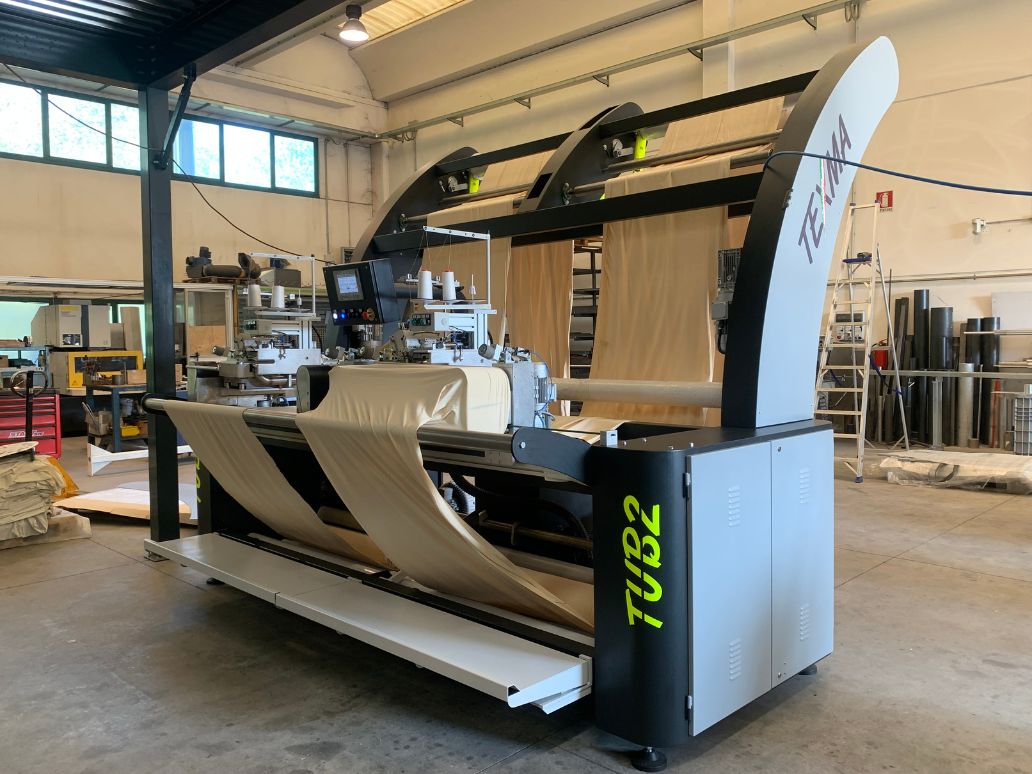
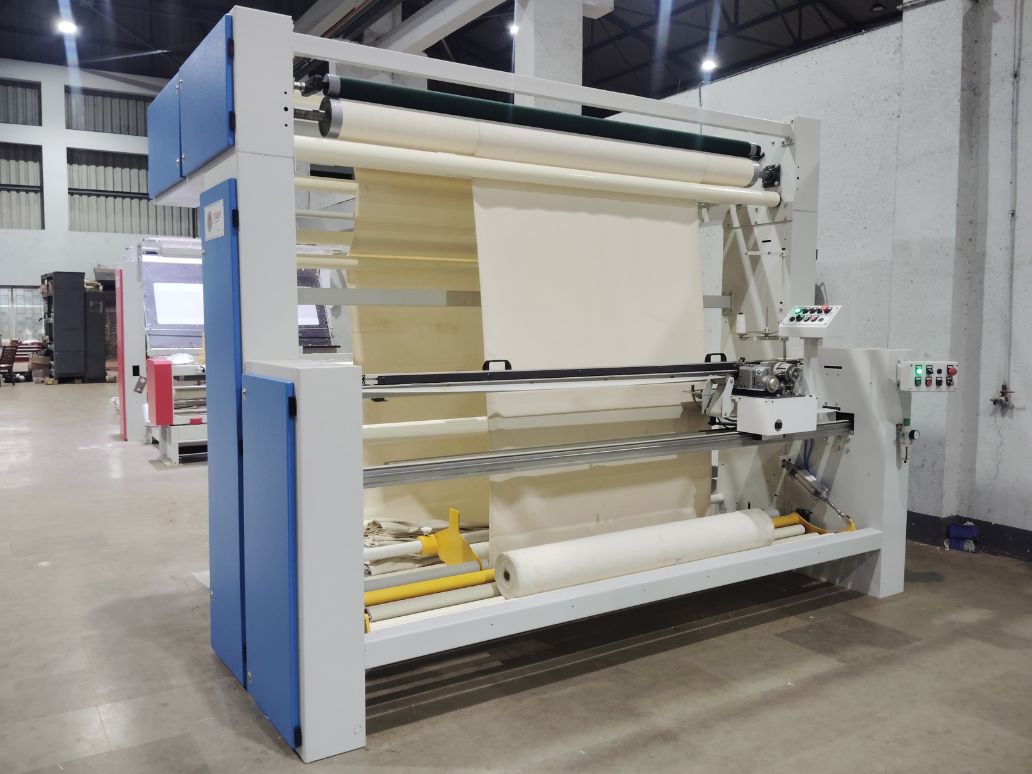
Engineered for maximum fabric yield and minimum waste, boosting production efficiency and a greater uniformity in inspection quality

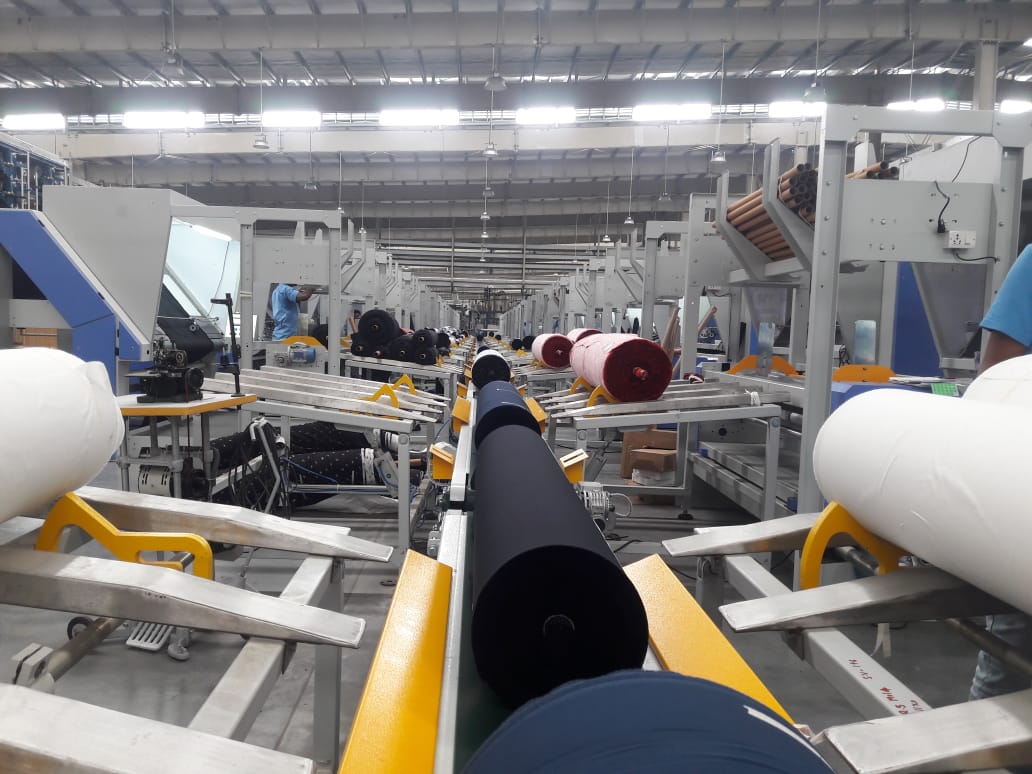
Streamlined systems that minimize manpower, increase productivity and ensure presentable, consistent packing results

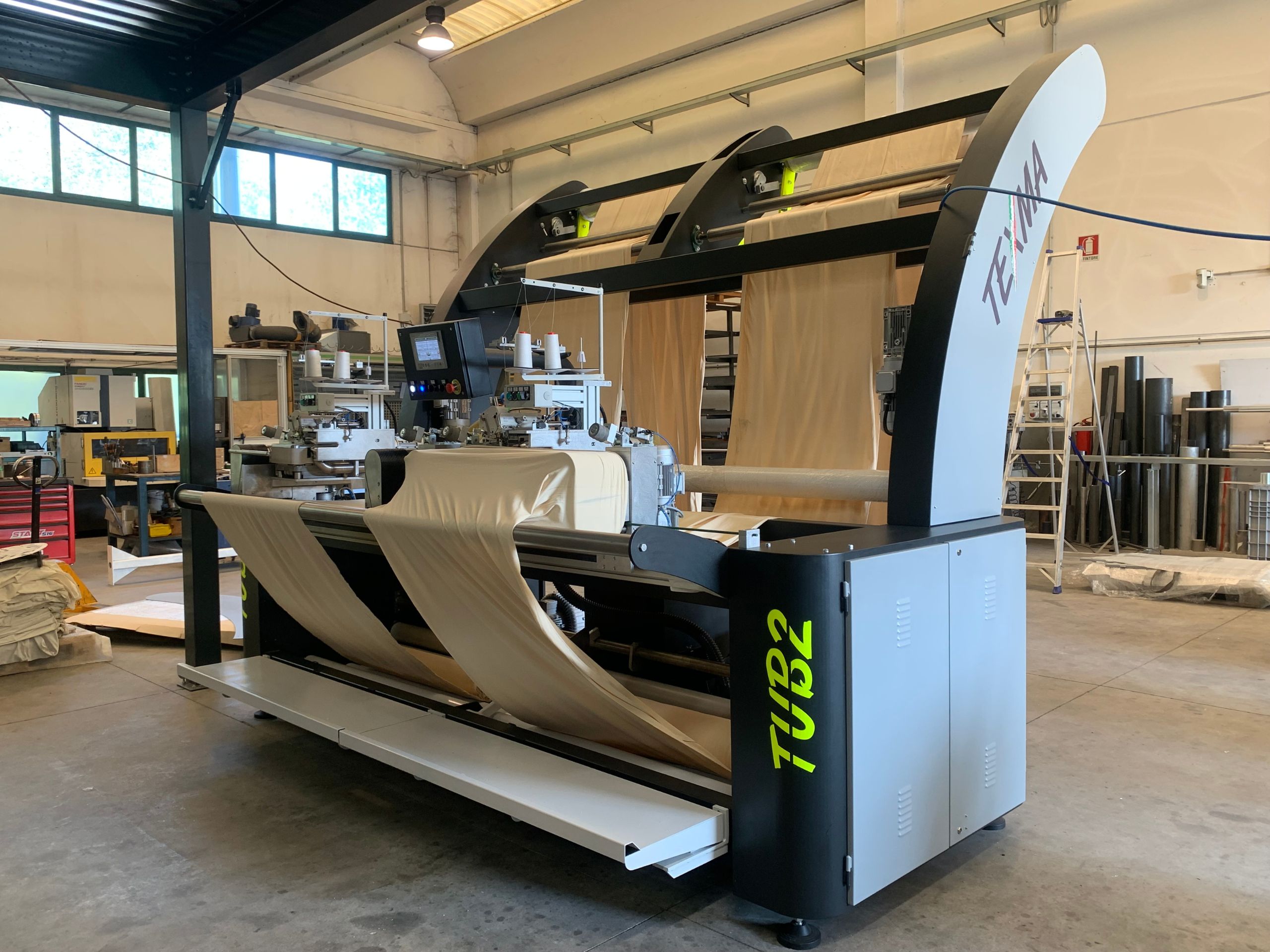
The essential foundation for continuous and smooth processing, building reliability that drives superior fabric performance

High performance machines for inspection, measuring, rolling and cutting with unmatched quality and precision

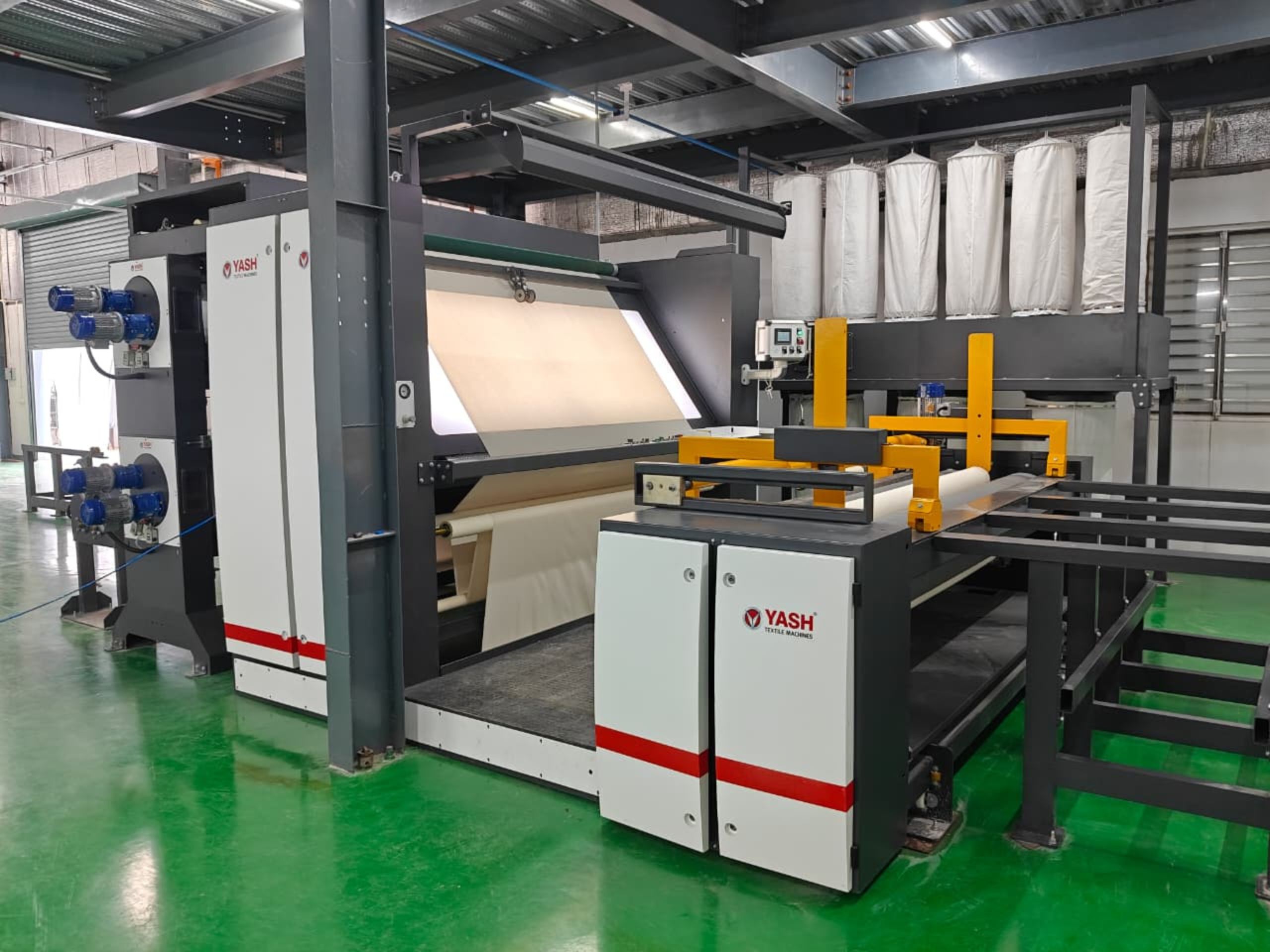
Cutting-edge technologies designed for technical articles, carpets and floor coverings, delivering precise and high quality outputs
YASH stands for Solutions for Success!
Ever since our inception in the year 1999, we have empowered various textile brands in India and across the world through its perceptive outlook and technological expertise. Whether it is Woven, Nonwoven, Technical Textiles or any other application, we have transformed challenges into opportunities and delivered solutions that enable textile giants to meet their aspirations.
A fabric inspection machine is a specialised piece of textile machinery used to examine fabric rolls for defects, measure fabric length, and assess overall quality before the material moves to the next stage of production – whether that is dyeing, finishing, cutting, or dispatch.
How It Works
Fabric from the supply roll is fed over an illuminated inspection table or viewing frame at a controlled, operator-adjustable speed. The inspection table uses a combination of top and bottom lighting to make even hairline defects visible to the inspector (or to automated camera systems). As the fabric passes through:
Key Components
Yash Textile Machines has been manufacturing fabric inspection machinery from its plant in Ambernath, Maharashtra, since 1999. Our machines are designed for woven, knit, nonwoven and technical textiles and are in use across India, Bangladesh, and international markets. |
Fabric inspection machines are not one-size-fits-all. The right machine depends on your fabric type, production volume, and the level of inspection data you need. Here is a breakdown of the main types:
The simplest and most affordable entry point. The operator manually draws fabric across a lit inspection table and records defects on paper or a basic form. Best for small mills, sampling units, or where production volumes are low. Typical inspection speed: 15-30 m/min.
Motor-driven fabric feed replaces manual pulling. An electronic counter measures meterage precisely. The operator marks defects manually. This is the most common type in mid-size Indian textile mills and delivers a good balance of cost and productivity.
Designed for woven fabrics denim, shirting, suiting, upholstery, home textiles. Handles heavier roll weights (up to 300-500 kg) with robust unwind and rewind systems. Available in single-face or double-face inspection configurations.
Engineered for the challenges of knit fabric elastic recovery, curling edges, delicate structures. Features tensionless fabric handling, anti-crease rollers, and adjustable speed control for tubular and open-width knits as well as Lycra and elastic fabrics.
Specifically designed for un-dyed greige fabric coming off the loom. Often incorporates automated defect detection software and camera systems for high-speed, consistent quality grading at the fabric manufacturing stage.
Used for spun bond, melt blown, needle-punched nonwovens, geotextiles, carpets, and industrial fabrics. These machines handle wide widths (up to 5 m+), heavier weights, and stiffer materials that standard textile inspection machines cannot process.
Yash Textile Machines manufactures inspection machines for all of the above fabric types. If you are unsure which configuration suits your production line, contact our engineering team at sales@yashtex.com for a consultation. |
A fabric inspection machine enables a trained operator (or automated camera system) to identify and grade defects across the full width of the fabric roll. The categories of detectable defects include:
Yarn and Weaving Defects (Woven Fabrics)
Knitting Defects (Knitted Fabrics)
Finishing and Dyeing Defects
Measurement-Related Defects
Industry standard: Most buyer-side quality audits use the 4-Point System to grade defects. Under this system, defect points are assigned (1, 2, 3, or 4 points based on defect size), and rolls exceeding 40 points per 100 square yards are typically rejected. Yash Textile Machines inspection machines support integration with 4-Point grading software. |
The 4-Point System (also called the American 4-Point System or ASQC/AAMA Standard) is the internationally recognised method for grading and quantifying defects in woven and knitted fabrics. It is the standard most major garment buyers, brands, and export houses require their fabric suppliers to follow.
How the 4-Point System Works
Each defect found during inspection is assigned a penalty point value based on its length (for woven fabrics) or severity (for knits):
Defect Size (Length) | Penalty Points Assigned | Applies To |
Up to 7.5 cm (3 inches) | 1 point | Woven & Knit |
7.5 cm to 15 cm (3–6 inches) | 2 points | Woven & Knit |
15 cm to 23 cm (6–9 inches) | 3 points | Woven & Knit |
Over 23 cm (over 9 inches) | 4 points (maximum) | Woven & Knit |
Hole or tear of any size | 4 points | Any fabric |
Why It Matters for Your Business
Implementing the 4-Point System consistently protects you from buyer chargebacks, rejection claims, and loss of repeat orders. Having a machine with an integrated digital counter and grading software allows you to automatically calculate roll-level scores and generate inspection reports eliminating manual calculation errors.
When it comes to protecting finished fabric rolls for storage and shipment, two main packing technologies are used: stretch film wrapping and poly film (BOPP/HDPE) packing. Choosing the right system has a direct impact on packaging cost per roll, protection level, and presentation.
Factor | Stretch Film Roll Packing Machine | Poly Film Roll Packing Machine |
Material Used | LLDPE stretch film clings to itself under tension, no heat or adhesive needed | BOPP, HDPE, or poly-woven film requires heat sealing or taping to close |
Process | Roll rotates while film is wrapped helically under controlled tension fully automated | Film is cut to size, placed over the roll, and heat-sealed or taped at the ends |
Protection Level | Excellent dust, moisture, and surface protection; slight cushioning effect | High protection with rigid outer layer; better for hard-edged or heavy rolls |
Packaging Cost | Lower material cost per roll; very economical for high volume | Slightly higher material cost; better suited for premium or export presentation |
Speed | High – can pack 20-40 rolls per hour fully automatically | Moderate – more steps involved per roll |
Appearance | Transparent, snug wrap – fabric colour visible through film | Opaque or printed option available – better for branded, retail-ready presentation |
Best Suited For | Woven fabrics, denim, home textiles, carpet rolls, jumbo rolls; bulk dispatch | Export-grade packaging, garment fabric requiring branded presentation, knit rolls |
Available From Yash | ✅ Semi-auto and fully automatic models | ✅ Poly film and HDPE+stretch combination packing lines |
Buying a fabric inspection machine is a significant capital decision. The right machine increases your throughput, protects your quality reputation, and reduces buyer rejections. The wrong one results in inefficiency, frequent breakdowns, and inspection bottlenecks. Here are the key factors to evaluate:
This is the most important factor. Woven, knit, nonwoven, technical textiles, and carpets each require different machine configurations. A machine designed for woven shirting cannot handle the delicate tensionless requirements of lycra or fine knits and vice versa. Always specify your fabric types to the manufacturer before selecting a model.
Inspection machines typically come in standard working widths: 1800mm, 2100mm, 2400mm, and custom wide widths up to 5000mm+ for carpet and technical textiles. Make sure the machine accommodates the widest fabric your production handles.
Standard woven fabric inspection runs at 20-40 m/min. Delicate fabrics like fine knits or elastic run slower (10 – 20 m/min). High-volume greige inspection may require 60+ m/min. Match the machine speed to your production throughput needs.
Heavy woven or denim rolls can weigh 200-500 kg. Ensure the unwind stand and rewind system are designed for your maximum roll weight. Undersized roll supports are a common cause of machine damage.
For small to mid-size mills: a motorised semi-automatic machine with a digital counter is typically the best value. For large mills: consider machines with auto-edge tracking, electronic tension control, integrated defect counters, and 4-Point grading software output.
Do you need the output rolled onto cardboard tubes? At a specific hardness setting? At a minimum / maximum diameter? These requirements affect machine configuration significantly and should be specified upfront.
A fabric inspection machine runs 8–16 hours per day. Downtime is expensive. Choose a manufacturer with a proven track record, a physical manufacturing facility (not just a trading company), and a clear commitment to spare parts availability and local service support.
An automatic roll packing machine is no longer a luxury it is a productivity and quality necessity for any textile mill dispatching more than 100 rolls per day. Manual roll packing is slow, inconsistent, and exposes rolls to handling damage. Here is what to look for when evaluating automatic roll packing machines:
Determine whether you need stretch film wrapping, poly film packing, heat shrink packing, HDPE packing, or a combination system. Some mills run multiple fabric types that require different packing methods in that case, look for a machine that can handle more than one wrapping mode.
The machine must accommodate your minimum and maximum roll diameters and lengths without the need for manual adjustment or changeover tools. Check rated limits: typically, 150mm to 600mm diameter, and 600mm to 3000mm length as a starting point.
A semi-automatic machine packs 40-60 rolls per hour; a fully automatic machine can pack 100-120 rolls per hour. Calculate your daily dispatch volume divided by your shift hours to determine the minimum throughput you need.
Consistent film tension is what makes the difference between a neat, professional-looking packed roll and a loose, sloppy one. Look for machines with electronic tension control that applies consistent wrapping tension regardless of roll weight variation.
Roll ends must be sealed to prevent dust ingress and ensure neat, shipment-ready packs. Options include: hot air blower, heat seal, or ultrasonic seal. Specify this based on your buyer packaging requirements.
Advanced systems integrate with label printers that automatically apply roll identification labels (roll number, meterage, lot number, date) as part of the packing cycle eliminating manual labelling errors.
A standalone packing machine creates a bottleneck if rolls must be manually transferred to and from it. Look for machines that can be integrated with automatic roll conveyors, roll sorters, and roll weighing systems for a fully automated dispatch line.
If your mill produces wide or heavy jumbo rolls (carpets, nonwovens, industrial fabrics), standard roll packing machines are not rated for this application. Yash Textile Machines offers dedicated jumbo roll stretch packing machines specifically designed for these requirements.

Buying textile machinery is a long-term investment one that typically runs 8-16 hours a day, 300+ days a year. How quickly your machine can be repaired when something goes wrong is just as important as its specifications on paper. Here is what Yash Textile Machines provides:
Installation and Commissioning
Every machine supplied by Yash Textile Machines is installed and commissioned by our trained engineers at your factory. We verify alignment, tension calibration, speed settings, and electrical connections before handover. We do not ship machines and leave you to figure out installation.
Operator Training
At commissioning, we provide hands-on training to your operators covering: machine operation, speed and tension adjustment, routine cleaning and lubrication procedures, and basic first-level troubleshooting. Our goal is that your operators are confident and self-sufficient from Day 1.
Warranty
All Yash Textile Machines products come with a standard manufacturer warranty covering defects in materials and workmanship. Warranty terms, duration, and coverage specifics are provided in writing at the time of purchase. Warranty claims are responded to promptly by our service team.
Spare Parts Availability
We maintain a stock of critical spare parts drive components, belts, rollers, counters, electrical components at our manufacturing plant in Ambernath. For Indian customers, this means faster turnaround on part replacements versus sourcing from overseas manufacturers, which can take weeks.
After-Sales Service Response
Our service team provides support via phone, email, and on-site visits. For machine faults that cannot be resolved remotely, we dispatch a service engineer to your facility. We serve customers across Maharashtra, Gujarat, Tamil Nadu, Rajasthan, Punjab, West Bengal, Uttar Pradesh, and other major textile hubs in India.
Yash Textile Machines’ product range is designed to serve the full breadth of the textile and technical materials industry from traditional woven fabric mills to high-technology nonwoven and carpet producers. Below is an overview of the industries and fabric types we serve:
Woven Fabrics
This is the largest segment of our customer base. We supply fabric inspection, rewinding, and roll packing machines to mills producing:
Knitted Fabrics
Knit fabrics present unique inspection challenges – they stretch, curl at the edges, and are easily distorted by tension. Our tensionless knit fabric inspection machines handle:
Nonwoven Fabrics
The nonwoven sector is the fastest growing segment in technical textiles globally. Yash Textile Machines provides inspection and winding machinery for:
Technical Textiles
Technical textiles require machinery that handles heavier weights, greater widths, and stiffer materials. We serve:
Carpet and Floor Coverings
Carpet inspection and winding present a unique set of requirements – very heavy rolls, wide widths, and stiff material. Yash Textile machines for the carpet segment handle roll weights of 500 kg+ and widths up to 5 metres.
Home Textiles
Inspection and packing machines for bed linen, towels, curtain fabric, and other home textile products including integrated inspection + folding + packing lines for high-volume home textile exporters.